Out of Sight, Out of Mind — 5 Bad Habits Too Much Hidden Storage Can Have on What You Choose to Keep
Undercover storage might be a good way to conceal clutter, but as with anything, an abundance can cause problems


I love hidden storage. My studio is full of it. All opaque cabinets and drawers everywhere. Plus, a storage ottoman and table for good measure. But I've since realized that hiding clutter has led me to hold on to items that really shouldn't be taking up space in my home.
That's not to say that hidden storage ideas are a bad thing. However, it is important to limit this form of storage, or exercise its use with discipline to keep you from making a habit out of its ill use.
Since knowledge is power, recognizing if you're guilty of any of these bad habits will help you manage your hidden storage better. So, now's the time to be honest. Are you letting your hidden storage rule you?
1. Buying Duplicates

DO INSTEAD: Lend your wallet some respite by avoiding repurchasing items hiding in your storage.
Sophie Crowhurst, professional organizer and founder of Tidyist, tells me that one of the worst consequences of overloading on hidden storage is that of repurchasing items you already own.
"When many items are stored out of sight, it becomes harder to remember exactly what you own," she says. "This can lead to accidentally buying duplicates because you don’t realise you had one stored away."
While this is possible regardless of the type of storage in your home, it's especially prevalent with hidden storage.

Sophie has been a professional organizer for seven years, helping people create calm, clutter-free homes that truly work for them. She supports clients with practical, thoughtful solutions that make everyday life feel lighter, simpler, and more manageable, making space for what truly matters.
2. Hoarding Items

DO INSTEAD: Keep inventory of the items that go into your hidden storage spots.
Let's say your hidden storage is in the form of lower kitchen cabinets, or it has deep shelving; these features will might set your home back more than do it any good.
"When items are hidden away at the back of cupboards, they will get forgotten, and there won’t be the motivation to get them out of the house if not needed, leading to 'out of sight, out of mind' hoarding," says Sophie.
Planning to ruthlessly declutter your hidden storage at least twice a year could help combat this unfortunate bad habit.
3. Postponing Decisions

DO INSTEAD: Regularly review the items in hidden storage to avoid delayed decluttering.
Sophie tells me that another bad habit that comes with too much hidden storage is delayed decision-making. Along with this style of organization being a gateway to hoarding, it does not make for a good combination.
"Hidden storage makes it easy to postpone deciding what to do with things," she explains. "Instead of choosing whether to keep, donate, or discard an item, it gets tucked away, putting off the decision."
Although it's a great way to conceal clutter in a living room or a kitchen, it's important to regulate what goes in, and more importantly, what gets removed from hidden storage regularly.
4. Gateway to Sentimental Overload

DO INSTEAD: Be responsible about the way you use hidden storage by allocating a specific zone to sentimental items (and standing firm on that).
Not all sentimental items are pretty enough to display. It's a harsh truth, but it's one that has since monopolized most of my hidden storage. So, if, like me, you quickly spark emotional ties with seemingly meaningless items, this is a bad habit to look out for.
"Hidden storage can sometimes become a place where sentimental items collect over time," says Sophie. "They can feel difficult to let go of, even if they’re rarely looked at or used."
Alongside administering control over your hidden storage and the role it plays in your home, learning how to declutter sentimental items can also help you reverse this build-up.
5. Lack of Use

DO INSTEAD: Use hidden storage to house off-season items, so you get use out of everything you own.
According to Sophie, if nice items are stored away in hidden compartments and cabinets, they're often forgotten and never get used because they aren’t part of everyday visibility.
And I completely agree. Whether it's in wardrobes, kitchens, or even bathrooms, this is a common problem with hidden storage. I, myself, have completely forgotten about certain purchases, only to later rediscover them while decluttering.
A clever way to use this problem to your advantage is to store off-season items in hidden storage, and prioritize visible storage for things you're using right now. For instance, when storing winter clothes or linens during spring, and vice versa.
Use These Hidden Storage Finds Wisely
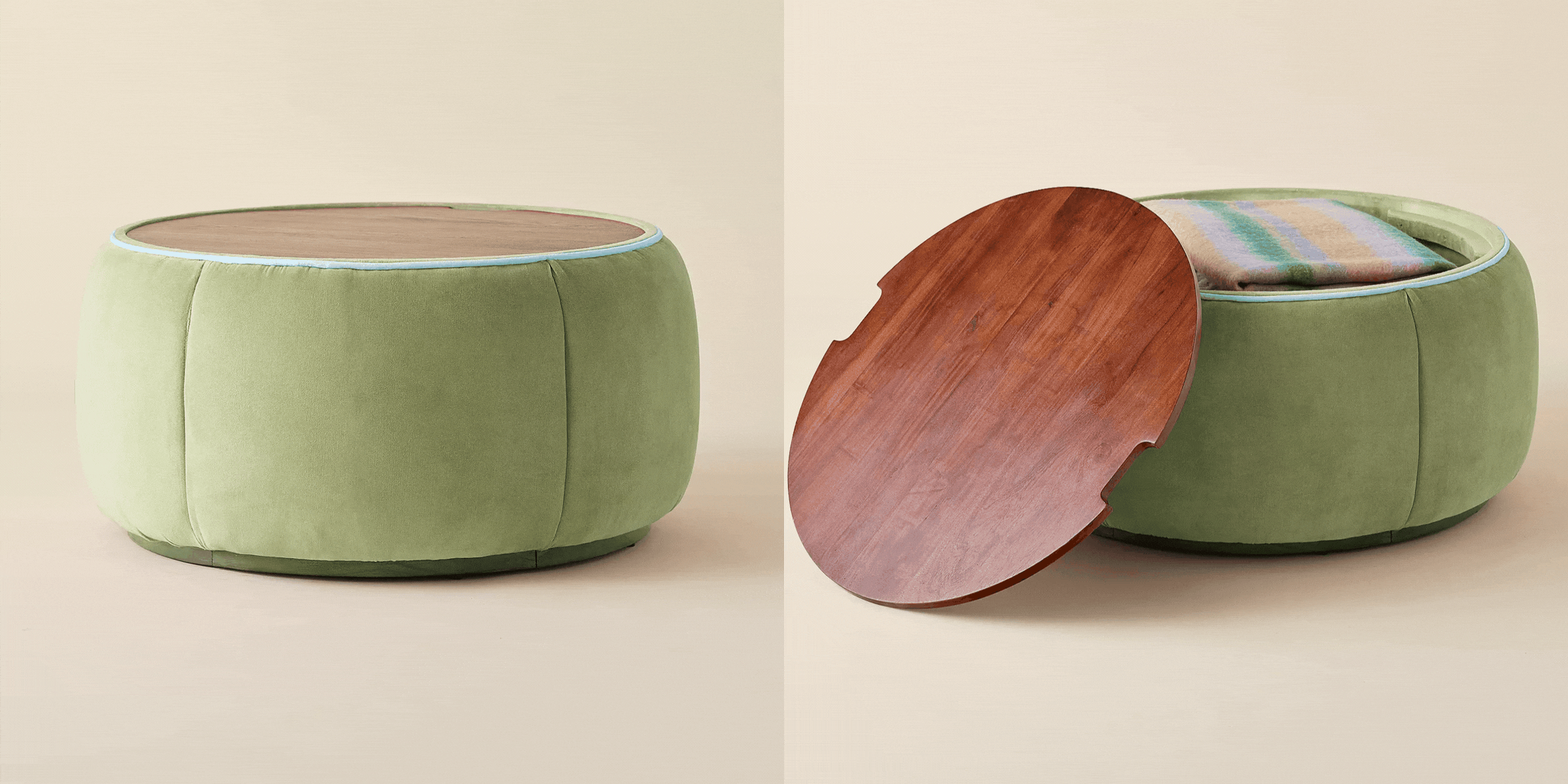
Color: Green
This Jane Storage Coffee Table from Urban Outfitters is a great spot for throws and spare cushions.
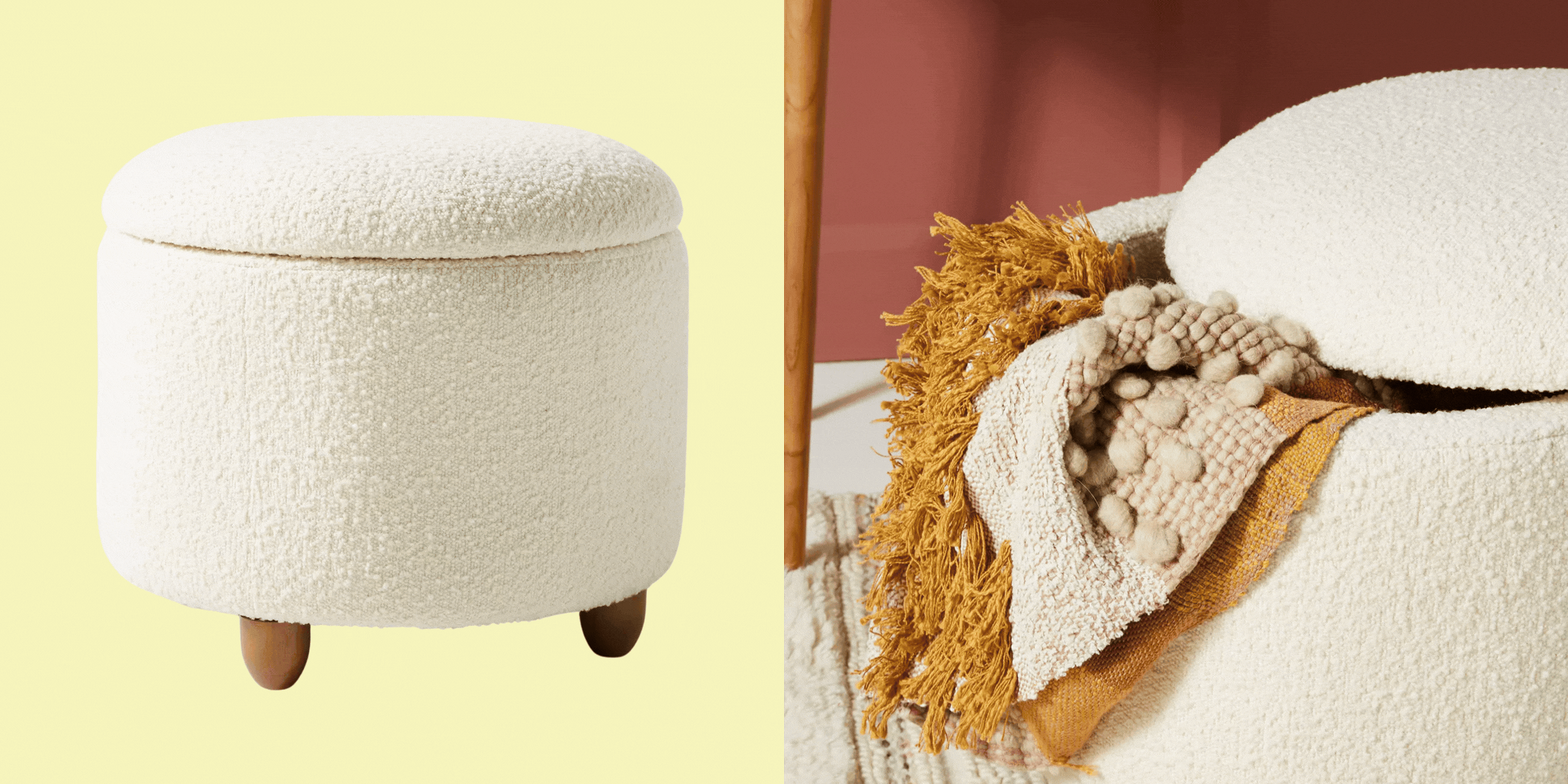
Color: Ivory
You can use this Boucle Louise Storage Ottoman from Anthropologie to store spare textiles and soft furnishings.
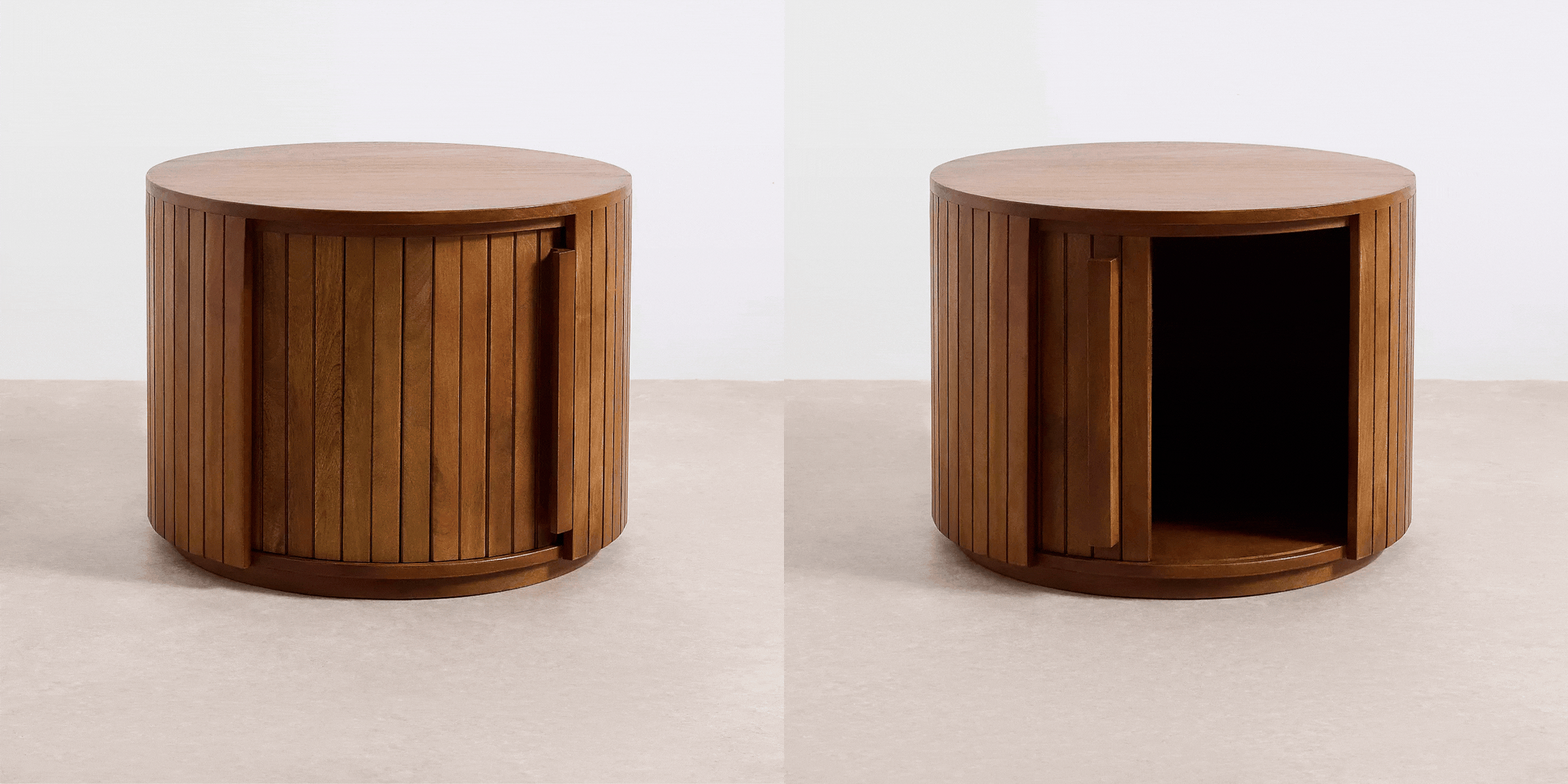
Color: Brown
I love the idea of using this Leo Coffee Table to house things to stop you from doomscrolling, like magazines, books, and even board games.
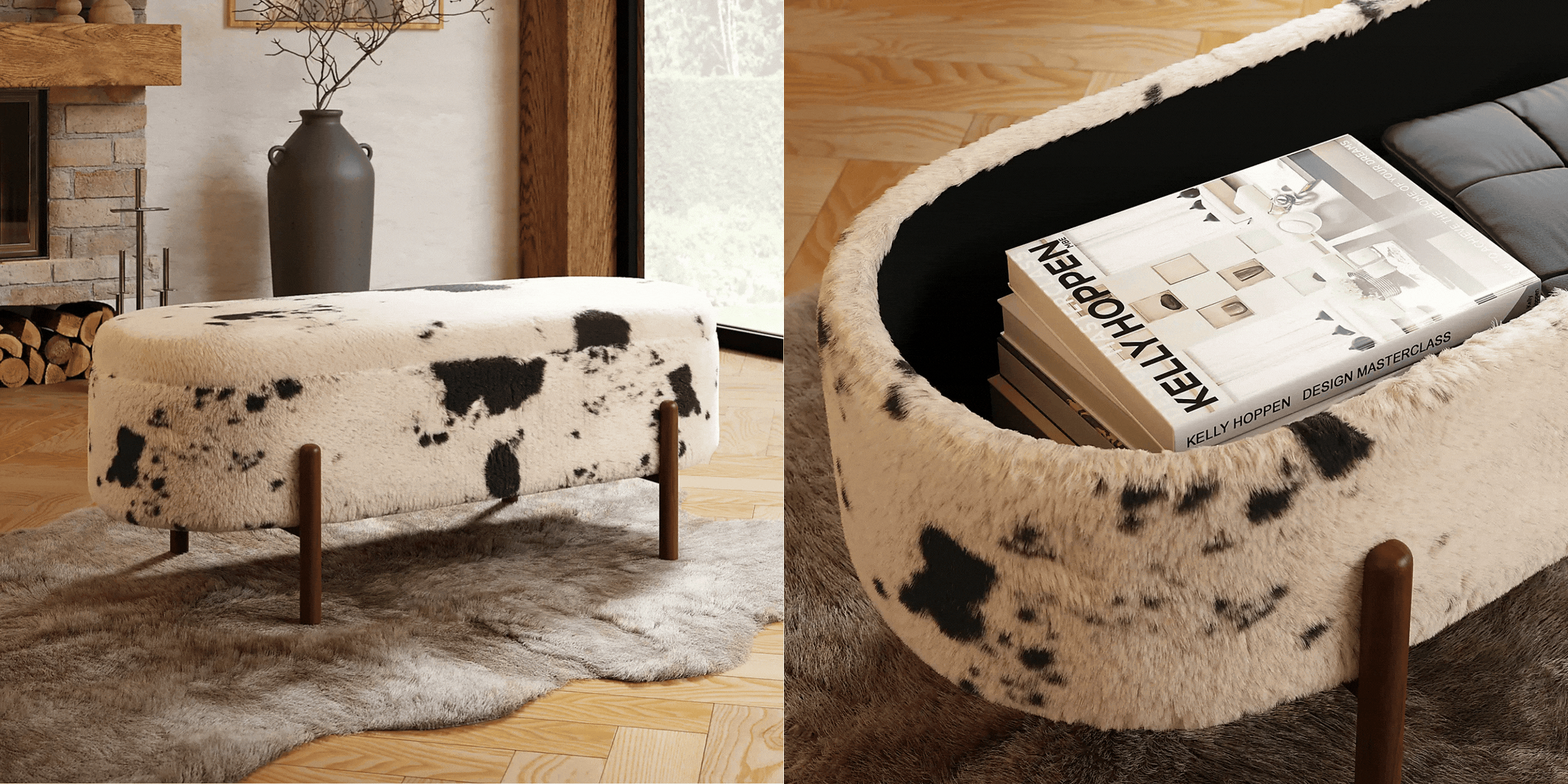
Size: H 40 cm x W 108 cm x D 40.5 cm
If you're looking for western decor that puts the fun in functional, this cow print storage ottoman from Dunelm is it.
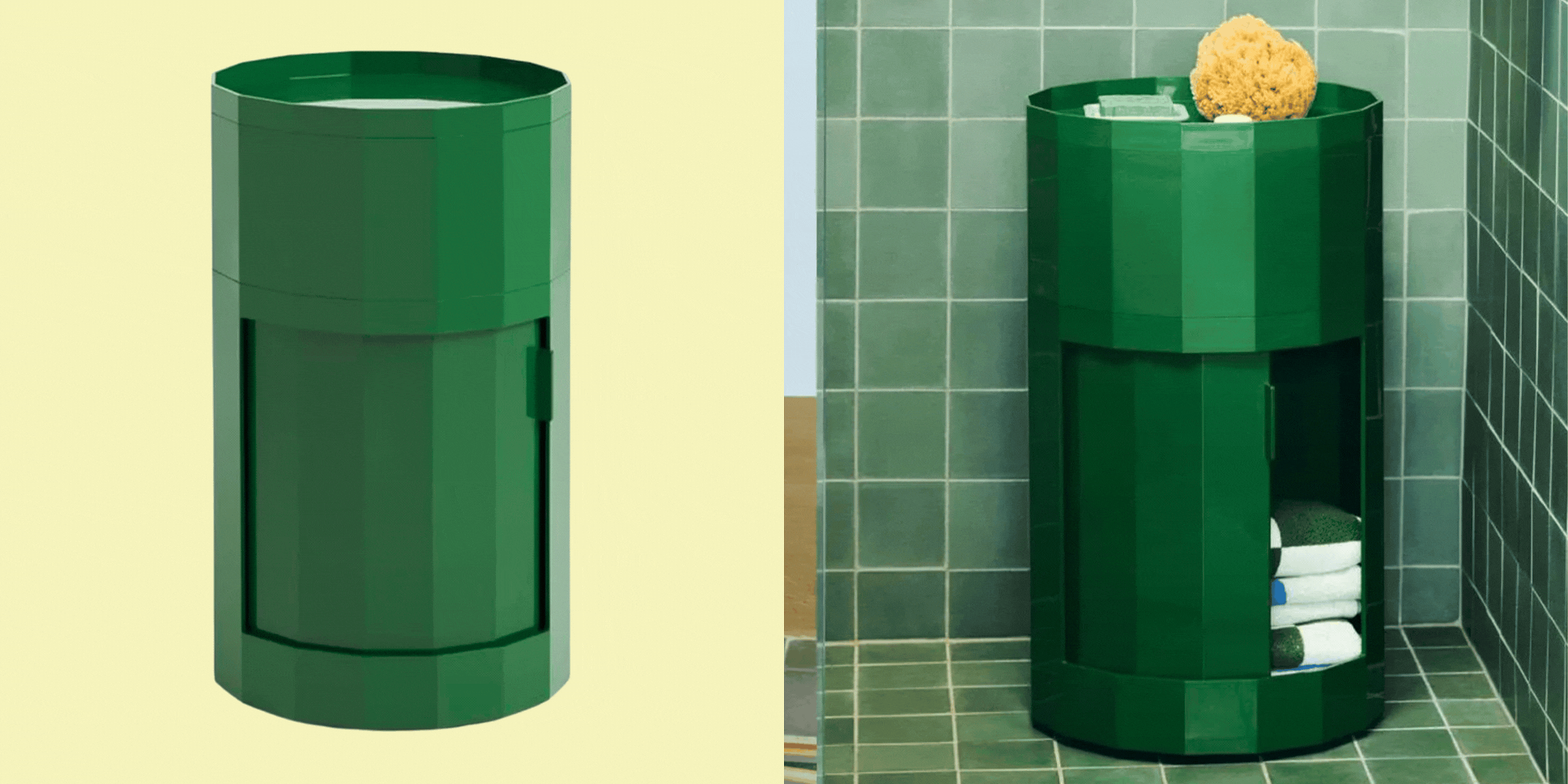
Color: Spinach
HAY's Facet Cabinet High is a good way to conceal clutter in a bedroom or even a bathroom.
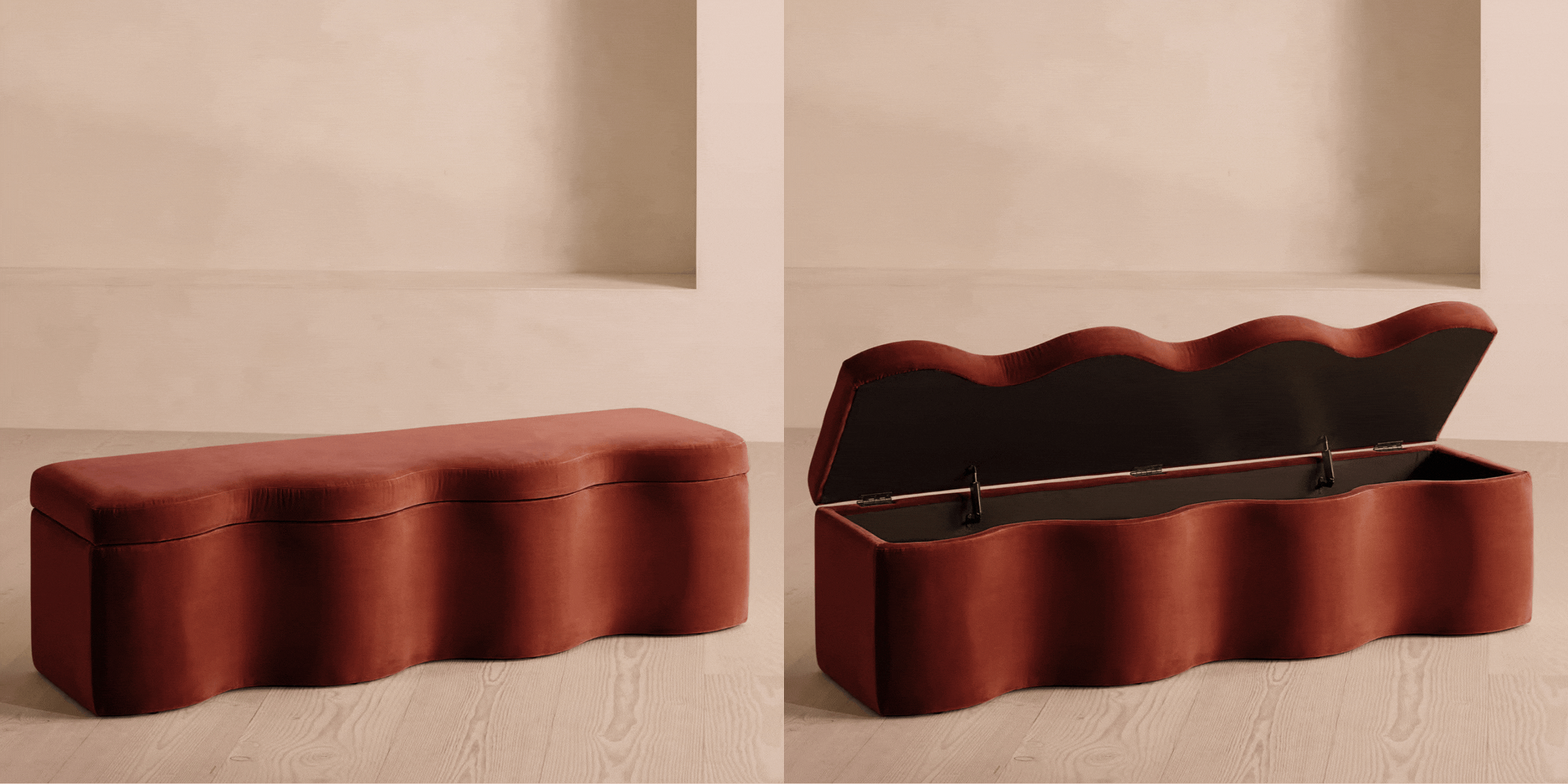
Member Price: £935
This storage bench in 'Velvet Rust' is ideal for organizing an entryway. Or, you can pop it at the foot of your bed, too.
If you haven't in a while, this is your sign to spring clean like a minimalist — starting with your hidden storage. And the 'strangers, acquaintances, friends decluttering technique' is a clever concept to lean on for help.
Plus, if you're looking for more advice on how to curate a perfectly organized home that looks good while working hard, sign up for our newsletter.
