Is This the End of the Coffee Pod? How Coffee Machines Have All of a Sudden Changed the Sustainability Game
Considering the environment is essential in product design, and this emerging style of coffee machine feels like an exciting win for sustainability, efficiency, and style

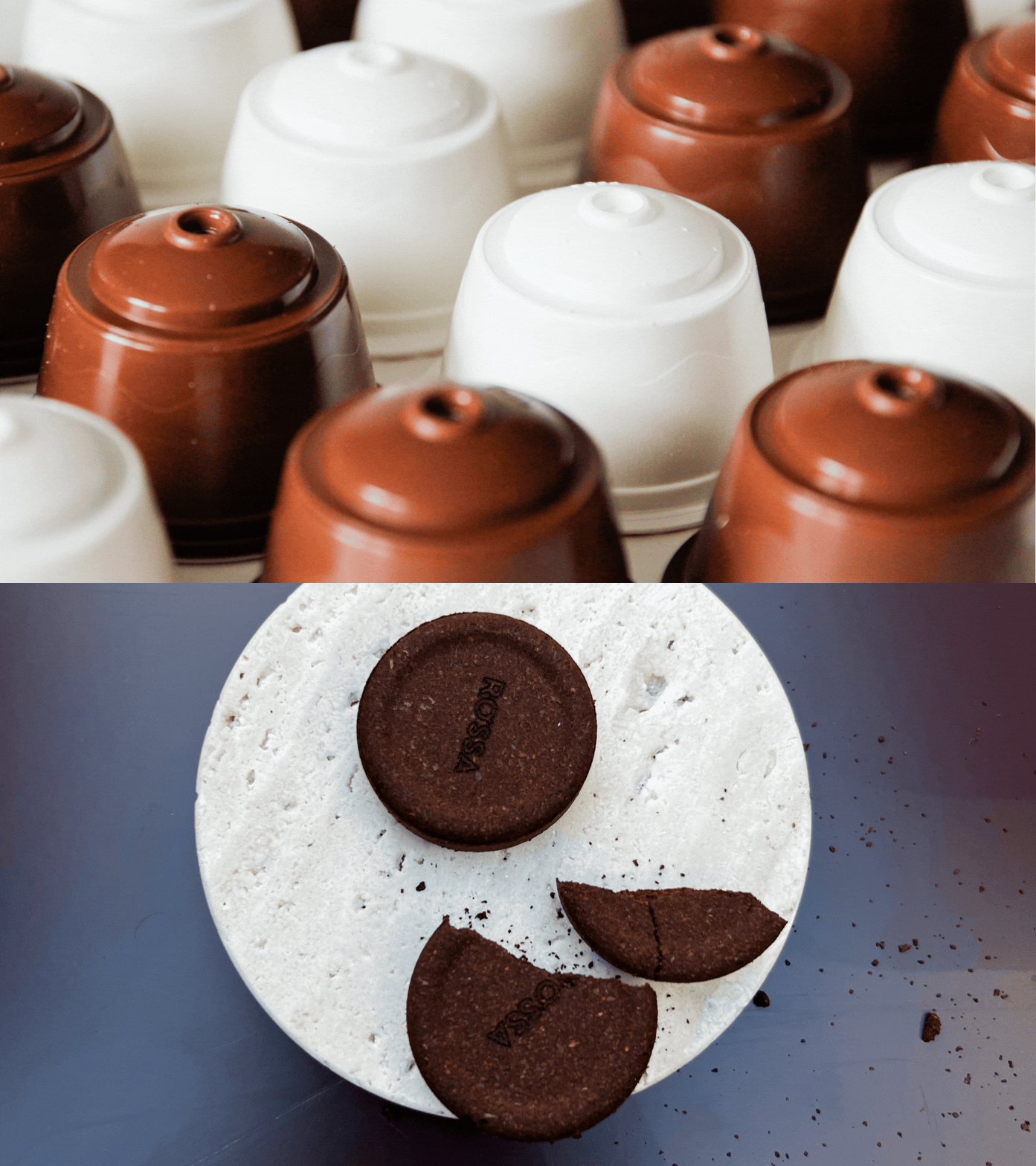
I can vividly remember my mom's first Keurig K-Cup coffee machine. I remember the novelty of making a single-serve drink, something especially uncommon growing up amid the United States' slow-drip coffee culture. Seasonal Starbucks coffee pods, a warm beverage in around 30 seconds...at the time, it all felt so novel. Now, an estimated 12.6 million UK households own a coffee pod machine — 46% of all UK households — according to Knowledge Sourcing Intelligence (2024).
But having tried several machines myself, and coming from an environmental studies background, I can't help but wonder how much waste these consumer statistics generate. Sure, there are plenty of pod-back schemes and ways to recycle pods efficiently, helping fight the landfill problem, but at the end of the day, those are all 'perfect world' solutions.
Research from 2021 reported by The Independent suggested that 29,000 coffee pods ended up in landfill every single minute, equating to somewhere between 75-90% of all capsules, and even for recycling schemes, the nature of pods and extracting coffee grounds from them makes the process difficult.
Of course, since that first K-Cup, things have evolved. While traditional coffee pods were predicted to take some 500 years to fully decompose, modern compostable pods take somewhere closer to half a year.
However, in 2026, we've started to ask the question: do we need the pod at all? Revolutionary products like Lavazza's Tablì suggest not, while Keurig has followed suit in the US, launching its Keurig Alta — both systems using solid 'rounds' of coffee instead of capsules.
I wanted to get to understand these systems a little more, so I delved into what, specifically, Lavazza's new Tablì range means for the future of at-home coffee.
What Is The Tabli Coffee-Less Capsule Design?

Getting to see all of the different capsule flavors and the machine in action proved just how impressive the pod machine can become.
I recently had the opportunity to experience the Tablì machine hands-on and hear more about how the machine works and the research behind the launch. First and foremost, the Tablì range is a capsule-free, single-serve coffee system that brews its espresso shots from a truly 100% coffee tab. Unlike similar products on the market, there are no hidden coatings or binders; it's all coffee.
"We've been researching the technology behind Tablì for the past five years, developing a new approach to single-serve coffee that opens up an entirely new market segment," David Cutler, coffee expert at Lavazza, tells me. And while the secret behind how exactly the brand has managed to compress a 100% coffee capsule that stays intact through creation, shipping, and usage remains a secret (trust me, I asked), it was intriguing to see the machine in action.
Like a normal coffee pod, you pop your preference of Tablì blends into the machine, slide the lid closed, and press a button to brew — simple and efficient, as it should be. As the tab brews, it releases the aroma, color, and unmistakable flavor of coffee, creating a complete sensory experience. I was even impressed with just how good a crema layer each shot had — they looked and tasted like shots pulled from one of the best espresso machines. The idea is that "we're reimagining the single-serve coffee experience, bringing coffee drinkers closer to the coffee itself," says David.
David Cutler is a coffee expert and was part of the team introducing the Tabli machine to London audiences. David's journey with Lavazza began in 2013, when he worked as a trainer teaching Barista Skills and Brewing. He then spent some time at the Lavazza headquarters in Turin, creating education programs for the UK and Ireland. Since 2015, Cutler has been head of training for Lavazza UK and works as a coffee specialist while continuing to oversee the Training Center in the UK.

Though rather simple in design, I enjoyed how slick it looks in person.
Maybe you're thinking, 'This all sounds good, but what about the waste from packing single-serve capsules still?' Well, I learned that every part of the packaging can be recycled in your standard home recycling bin.
We might get a clue by looking at Keurig's AltaRounds in comparison, which describes its new technology as 'plastic-free, plant-based protection [that] keeps the form intact.' Having seen it first hand, the Tablì technology feels a little different.
As for the coffee grounds, it's the same way you'd go about dumping your grounds from a semi-automatic, bean-to-cup, or slow drip coffee machine — preferably in a food waste receptacle. Mixed recycling expert at UK-based recycling company, John Verity, explains, "Coffee grounds are accepted in most council food waste collections. Alternatively, if your council doesn’t accept them yet or if you prefer, coffee grounds can go into home composting."
No more extra gadgets involved (even though products like the Alessi coffee capsule crusher are very stylish tools, indeed).
John Verity has been the Managing Director of Divert (a UK-based dry mix recycling company) since 2021, and he has helped guide the company into a well-respected business with a presence throughout Yorkshire. He has over 17 years of experience in both waste brokerage and waste handling.


The Problem With Pods and What the 100% Coffee Capsule Solves

It's easy to want to dump your discard pods in the bin, but this is part of what makes the coffee pod a growing problem in most homes.
One of the things David told me during my visit with Lavazza that stuck with me is that the Tablì design is solving the environmental and convenience problems of pod machines at a company level rather than leaving it to the consumers.
As we know, traditional coffee pod designs create a lot of waste, as many are difficult to recycle. John shares, "It's difficult to find an exact statistic for coffee pod usage in the home, but studies from 2016 estimated 48 billion coffee pods were sold globally; if we apply the 6.2% compound annual growth rate (CAGR) forecast for the global coffee pod market, this could mean as many as 82.5 billion were sold in 2025." An exact calculation of waste is also hard to determine. "These are merely calculations, but they illustrate the scale of usage," adds John.
While I love adding stylish and clever coffee machine accessories to my nook, having to solve unnecessary problems and inconveniences at home is time-consuming if not frustrating. I've tried refilling coffee pods and the works; it can be done, but put simply, it's not easy.
Frankly, with better design, companies can eradicate these unnecessary steps and give the home barista better access to sustainable brewing and a simplified morning routine — aren't those the real things every coffee nook should have? As John says, "The best solution for this is products that prevent waste from being created in the first place."

The Lavazza team broke one of the pods and showed us how it disintegrates after use, just like regular grounds.
While I'm not completely writing off pod machines just yet, Lavazza's Tablì design is a great step towards reducing the waste generated by coffee pods. John adds, "Innovations like the 100% coffee pods demonstrate how brands and manufacturers can reduce unnecessary waste while still providing the convenience that consumers are looking for."
As a dedicated machine is required for this design, "it may take some time for the industry to see a shift in the amount of waste reduced," says John. Similar to how we've seen the iconic Nespresso pods become compatible with other machines, and local breweries offering coffee pod profiles that help make Nespresso coffee taste even better. "But moving towards capsule-free systems is an excellent development," adds John.
"Products that reduce our reliance on single-use items in the home and prevent the disposal of recyclable materials are essential for the future," says John. And this is an ethos echoed throughout interior design. Hopefully, this shift in something as routine as making a coffee in the morning is indicative of wider sustainable product design.
As we move into a world where doing our part for the well-being of the environment absolutely essential, products like Lavazza's Tablì machines feel like an exciting win for sustainability, efficiency, and style. There are so many interesting lessons to learn about the coffee-making process, especially if you are a budding home barista. Will you be swapping pods for 100% coffee capsules?
For more news and inspiration like this, be sure to subscribe to the Livingetc newsletter.
