5 Problems Guests Will Always Notice in Your Garden, But That Designers Warn You've Become Blind to, and How to Fix Them
We all want to give guests something to talk about in the garden, but don't let it be for the wrong reasons


When it comes to eye-catching garden design, visitors are far more likely to notice what's not working than what is. The trouble is, we often become blind to our own outdoor spaces, making it difficult to spot the details that our guests are actually focusing on.
Perhaps you have a worn and dated outdoor dining set that's bringing your patio down, or maybe those unruly weeds along your garden path are far more noticeable than you thought. Wherever it applies, the small flaws you've stopped noticing are often the first thing that visitors will.
If you want your modern garden ideas to leave the best impression, there are certain design oversights worth addressing. Ready to revamp your lackluster garden once and for all? Here's what to look out for, according to a landscape designer.
1. Unkempt Edges

DO INSTEAD: Keep borders, lawn edges, and pathways pruned so they look clean and well cared for.
One garden faux pas guests are almost guaranteed to notice? Untidy edges. You don’t need a sleek, minimalist scheme for this to stand out — in a wild, cottagecore-inspired garden, for example, it can look beautiful when ground cover plants spill softly over patio tiles. But when defined areas become overly unruly or neglected, the effect quickly shifts from intentional to chaotic.
"Messy transitions between lawn, beds, and pathways are surprisingly noticeable," says landscaper Kat Aul Cervoni, founder of Staghorn Living. It’s not just lawn edging or overgrown borders that deserve attention in this regard, either. Think about the perimeter of your garden too — the spots where stray pots, tools, and forgotten accessories often end up without a second thought.
Instead, aim to keep edges clean, cohesive, and free from clutter or overgrown planting. As Kat notes, "clean edges go a long way into making a space feel tidier and more cared for".
2. Clutter

DO INSTEAD: Avoid too much visual noise by keeping decor to a minimum, and don't hang on to broken or disused tools or furniture.
Clutter is one of the first things guests will notice inside your home, and the same applies to your outdoor space, too. A garden overrun with broken plant pots, old tarps, rusty tools, or long-forgotten kids' toys will turn heads for all the wrong reasons.
It might not necessarily be junk that's to blame, either. Even if you have the best intentions with your garden decor, be wary of cramming too much in. "Too many small pots, accessories, or mismatched elements can make a space feel chaotic rather than relaxed, and can even be difficult to navigate around without tripping," explains Kat.
To avoid detracting from your thoughtful landscaping ideas, keep visual noise to a minimum and make sure any new addition to your garden is harmonious with the natural landscape.

Landscape designer, Katherine 'Kat' Aul Cervoni, is the founder and principal of Staghorn Living. Kat creates outdoor spaces that become natural extensions of a home’s interior. A member of the Ecological Landscape Alliance and the Association of Professional Landscape Designers, she also mentors young plant enthusiasts and upcoming designers.
3. Dead or Struggling Plants

DO INSTEAD: Cut back shrubs that are past their best, and remember to deadhead blooms to keep plants happy and healthy.
It's so easy to overlook dead plants, but if you want your garden to impress guests, don't allow them to be distracted by decomposing blooms or dried-up foliage. Not only do they look unsightly, but they also show a lack of care and attention to your garden.
Kat says that upon entering any outdoor space, dead plants immediately stand out. "It’s almost always better to remove them than let them detract from the space," she says. Dedicate some time each week to dead-heading annuals and perennials, and clear dry or spindly branches from trees or shrubs. Just make sure you avoid common deadheading mistakes like pruning from the wrong place to ensure your plants grow back fuller and healthier.
4. Furniture That Feels Wrong

DO INSTEAD: Choose hardwearing furniture (teak wood is a great option) that's proportional to your space, and make sure the style is timelessly chic.
When visitors enter a garden, their eyes naturally seek somewhere to sit and unwind. With this in mind, if your garden furniture looks drab, dated, or damaged, it will instantly diminish the look and feel of your space.
Although it's especially noticable if your garden furniture is in bad condition (think broken wood, chipped paint, and dirty or damaged cushions), even furniture that's simply unharmonious with your outdoor space can negatively draw the eye. "Pieces that are too large, too small, or too sparse can make the garden feel awkward or underused," says Kat.
To ensure your garden furniture contributes to your garden's beauty rather than detracts from it, invest in durable, timeless pieces that look good for years to come.
5. Overgrown or Unbalanced Planting
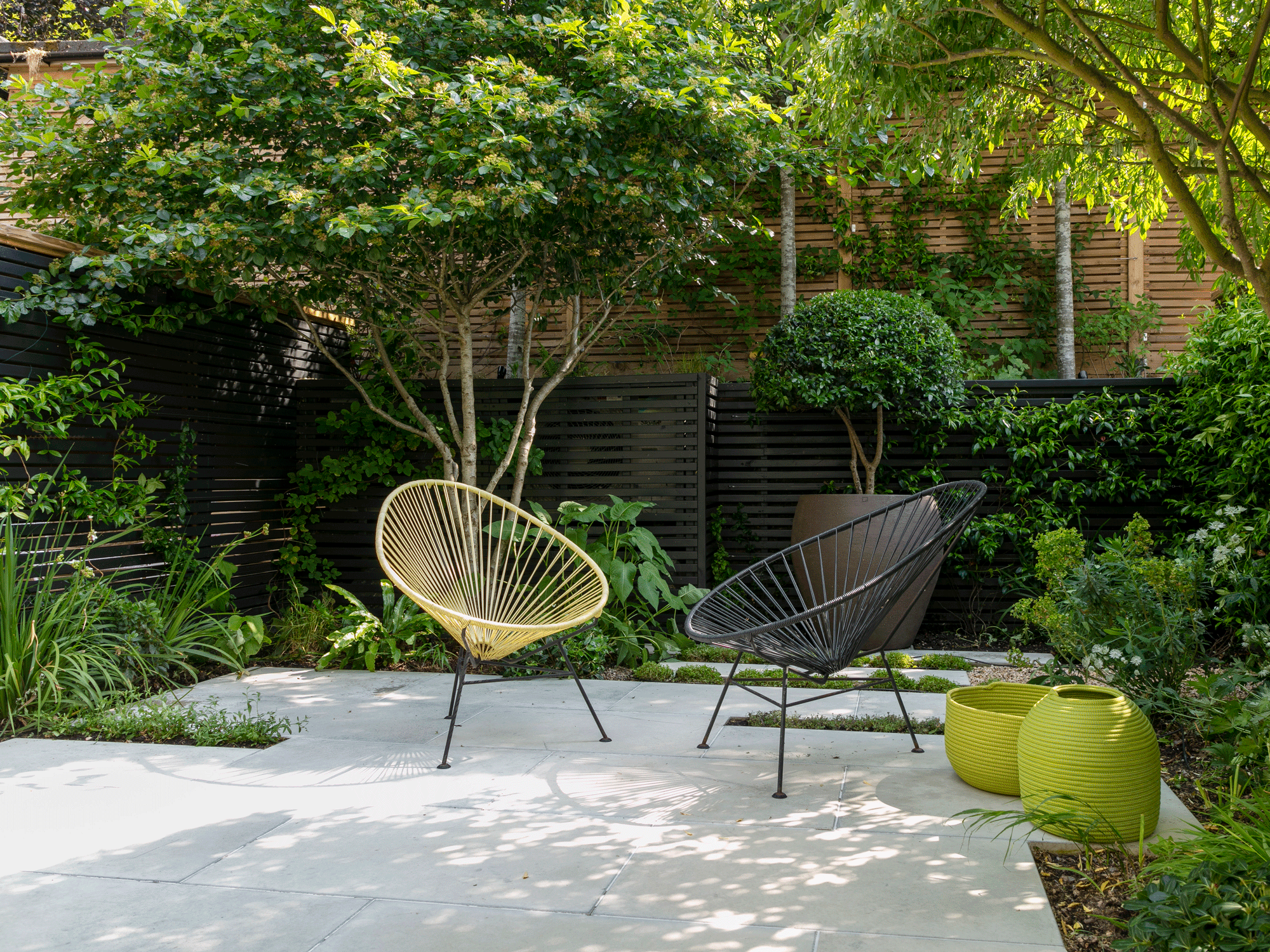
DO INSTEAD: Ensure you have a wide range of planting ideas that feel harmonious and curated.
It's hard to believe that planting ideas can negatively impact your garden, but if they're not planned thoughtfully, your space risks looking overgrown and unbalanced. Although the so-called "overgrown" garden trend has taken off this season, a wild garden doesn't have to equal unruly.
"When plants spill too far into walkways or block key sightlines, the space can feel neglected or hard to move through," Kat explains. "I usually see this with overgrown shrubs that people feel a bit intimidated about pruning back." Her advice? If in doubt, cut it back. "It will likely benefit the plant rather than harm it," she adds.
Equally, you might be besotted with roses, but as with anything in life, too much of a good thing can make your garden feel two-dimensional and uninspiring. Instead, ensure you have a range of balanced planting ideas that add depth and variety to your space.

Want to grab guests attention for all the right reasons? Choose bright and colorful planters like this one that promise stand out.

Ready to turn your garden around? Brush up your gardening knowledge with this accessible book from Pollyanna Wilkinson.

Throw out any old, dated furniture and replace it with a stylish new set like this colorful woven option from John Lewis.
It's human nature to notice the bad over the good, and the same instinct applies to our outdoor spaces. A few tired or distracting elements don't mean your garden lacks beauty or charm, but minimizing the amount of eye-catching elements that have the wrong effect can make a world of difference to your space.
If you want to make the best impression possible, focus your energy on the positive details guests will notice in your garden. By elevating the features that make your backyard feel welcoming and well-designed, you’ll create an outdoor space visitors won’t want to leave.
