A Daybed or a Sofa Bed? Here's Which One Is Actually Better to Buy for Your Home
They both add an extra place to lounge, but the difference lies in intentionality


Honestly, somewhere to comfortably lounge that isn't just your bed is an essential part of any well-dressed interior. Whether you're partial to a nap, are a well-prepared host, or just like the idea of a snuggly spot, sofa beds and daybeds are one of life's little luxuries. But what actually is the difference between the two?
Both seating options are designed for flexible living and help maximize space. However, "the key difference is intention," says John O'Leary, the design director at Swyft. A daybed is centered around lounging and atmosphere, while a sofa bed focuses on practicality and accommodating overnight guests. Visually, "daybeds often feel lighter and more sculptural, whereas sofa beds tend to follow the proportions of a traditional sofa," adds John.
While both are alternatives to a sofa, a daybed works best in a larger space to provide additional seating (and can sometimes double as an extra bed at a pinch). While a sofa bed, on the other hand, looks (and acts) like a sofa that can pull out to a comfortable bed come nighttime. It's more common in smaller spaces that don't have room for, say, a dedicated guest bedroom. So, which one do you really need?
In short: "If you regularly host guests, a sofa bed is the more practical option, but if your focus is everyday lounging and creating a softer atmosphere, a daybed makes more sense," John concludes.
When Does a Daybed Work?

Daybeds have a more relaxed, refined, and lounge-forward style.
A daybed sits somewhere between a sofa, a lounger, and a bed. It's designed primarily for relaxing during the day, with the flexibility to work as an occasional sleep space when needed. However, the sleeping option is less integral than that of a sofa bed. "Daybeds tend to have a more open, relaxed silhouette than a traditional sofa, making them feel softer and more design-led within a room," John O'Leary explains.
As for where to style daybeds, they work well in relaxed spaces such as reading corners, home offices, or open-plan living areas. Somewhere, there is enough room for an extra seat, but it still feels like a useful and natural addition. Or if you are working with a settee-style daybed, I love the idea of having an entryway bed in place of a bench seat — if your foyer allows. John suggests styling a daybed with "layered cushions, soft textures, and warm lighting to emphasize comfort."
When styling a daybed in a living room, upholstery and comfort are also key. "Softer, tactile fabrics like bouclé, linen blends, or velvet work particularly well because they enhance the relaxed feel," says John. Remember, the goal here is to cultivate the allure of relaxation (it's all very 'fainting sofas' coded).


When Does a Sofa Bed Work?

Sofa beds these days can be just as stylish as a regular couch.
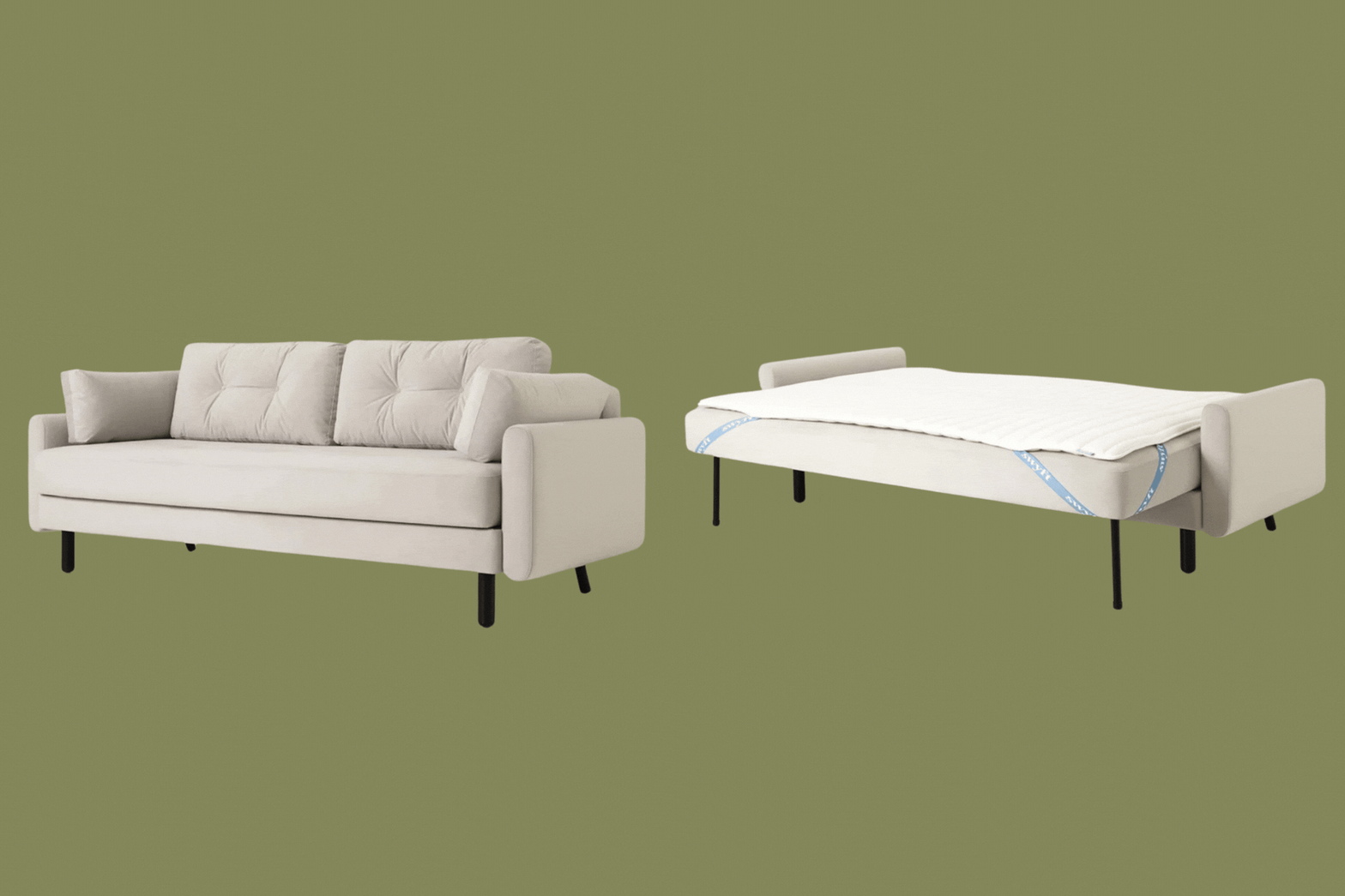
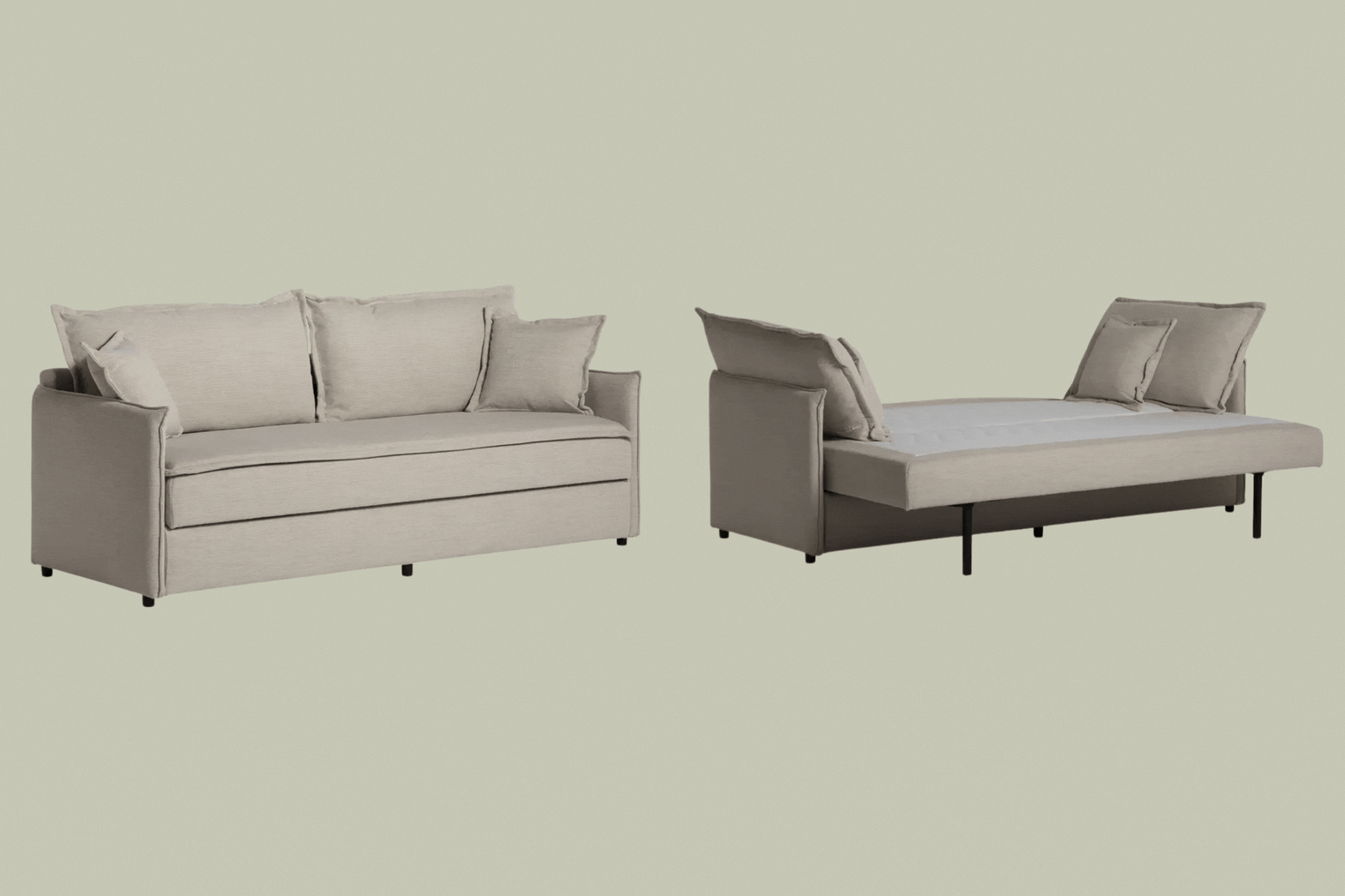
Okay, so what about sofa beds? While just as stylish and relaxing, a sofa bed is more of a multifunctional piece, "designed to work as an everyday sofa with the added practicality of converting into a proper sleeping space," says John. It's function first, with form following closely behind.
That said, modern sofa beds are much more considered than previous styles; "The focus now is on creating something that feels just as comfortable and visually refined as a standard sofa," says John. Mid-century sofa beds have become a staple, and some models (like Swyft's Model 12 Sofa Bed) even come with a chaise lounge that doubles as storage.
As for where to position a sofa bed, John says, "This style is better suited to guest rooms, smaller homes, or multifunctional living spaces where practicality is important." The key is styling your sofa bed like you would any sofa, so it feels fully integrated into the room.
When shopping for sofa beds, considering that it will double as a bed, internal construction matters more than with daybeds. "Look for durable frames, quality mechanisms, and supportive mattresses, especially if it’ll be used regularly for sleeping," says John.



In both cases, the best multifunctional furniture should balance comfort, practicality, and considered design. Which style will you be choosing?
For more inspiration, be sure to subscribe to the Livingetc newsletter.
