Should I 'Rent' My TV Instead of Buying It? This New Flatscreen Subscription Promises You'll Never Be Left With Out-of-Date Tech
Renting a TV used to be common, but does it have a place in 2026? Our TV expert digs into the new LG Flex service, and whether it's really worth renting over buying


Have you been put off buying an OLED TV because of the high cost of entry? That’s not surprising: I've found my LG OLED TV worth it, but it was a serious expenditure, especially with the niggling concern that it might one day succumb to the dreaded burn in. Now, the subscription tech service Raylo has a possible solution. The company has teamed up with LG to offer some of its top televisions, soundbars and monitors on a subscription, with prices starting at £15.04 per month via a service called LG Flex.
That means that not only are you not stuck with an initial huge outlay, but that you can upgrade to the latest model when your subscription period ends.
Raylo’s CEO and Co-Founder Karl Gilbert says that the move delivers “clear value for both electronics brands and customers”. But does it? Below are the pros and cons of returning to the days of TV rentals, from how often TV tech changes to OLED TV life expectancy. But first, here are the TVs you might opt for.
The TVs worth considering
It’s worth noting that not every model can be paid for via Raylo, with the range currently covering 14 products: seven TVs, five monitors and two soundbars. My picks are as follows:

If you’re looking for a fantastic OLED screen that won’t completely dominate the living room, this 48-inch model is as good as it gets. As our sister site Tom’s Guide said in its five-star review: “this TV is so good, it forced me to reconsider what OLEDs can do.”

The largest OLED on offer is LG’s budget entry, the B4. But it’s still an excellent TV set, as the 4-star Tom’s Guide review makes clear, calling it “one of the best TVs for A/V enthusiasts on a budget”.

The largest TV on offer. It uses Mini-LED technology rather than OLED, making it a good choice for brighter rooms. Our sister site T3 gave it a solid four stars in its review, praising its “bright, vibrant and detailed images from 4K content.”
If any of these appeal, just click through and then use the "LG Flex" option at checkout.
Why It Might Be Worth Renting a TV
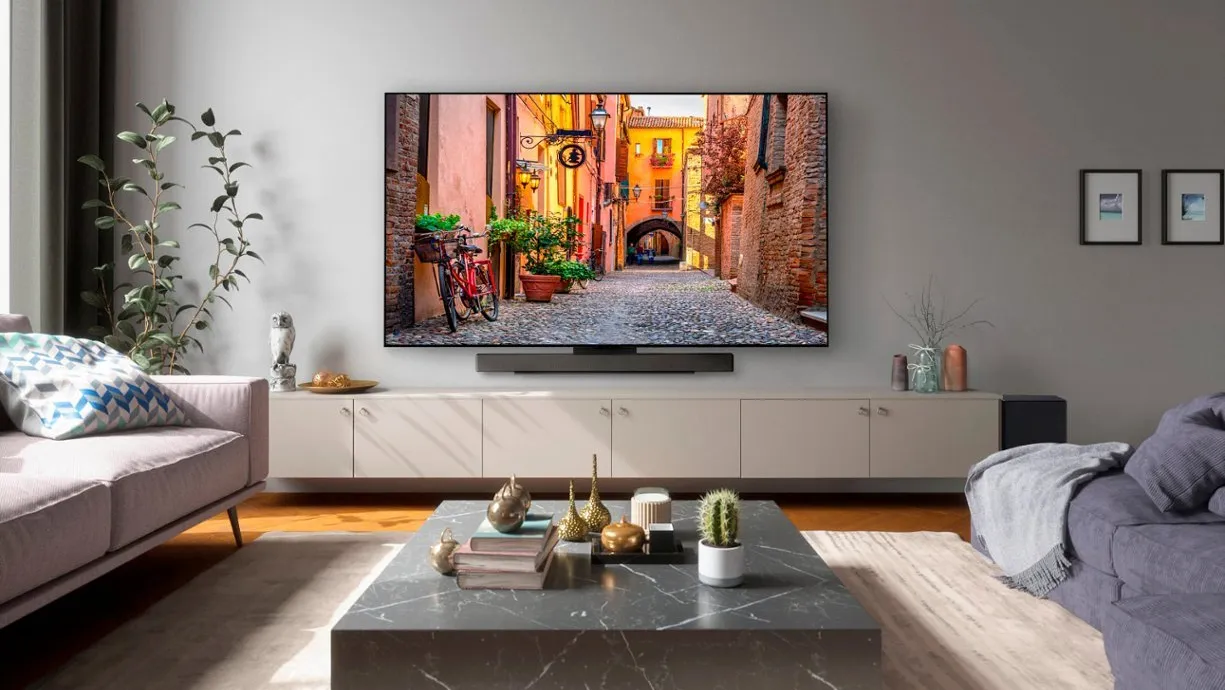
You might not end up paying over the odds for your TV this way, but you'll also not own it at the end of the contract.
,The most obvious reason to opt for an LG TV subscription is the upfront cost. While Sky Glass is a similar proposition on paper, it requires you to subscribe to additional channels too, and that’s clearly not for everyone.
Here, you’re potentially getting some fantastic hardware for a fraction of the asking price up front. The 48-inch LG C5 has an RRP of £1,499.99, but here you need to pay just 2.25% of that each month. In fact, do the maths, and you’ll find that’s actually an overall saving, as 36 x £33.83 comes to £1,217.88 (though, in truth, you can get the TV for substantially less than RRP if you shop around).
Plus, if you’re opting for an OLED model, this has the advantage of making the ugly proposition of burn-in a non-issue. You don’t own the TV, so if it develops a fault, you just get a replacement (though it’s probably best to opt for the optional insurance, so there’s no quibbling about reasonable use).
Given you don’t own the set, there’s also an advantage at the end of the subscription period, where you can just switch to the latest model. While TV tech doesn’t move as fast as smartphones (especially if you use something like Apple TV 4K to navigate streaming apps), it’s nice to have the option to move on without having to shift the old model. The average TV’s lifespan is five to ten years, but you can upgrade after 12, 24 or 36 months, depending on the size of the monthly payment you can bear.
And Why You Might Not Want to

Upgrading so quickly might not be worth it considering how fast TV technology moves.
That makes for a compelling case on paper, but there are some serious drawbacks that you should at least be aware of before you sign on the virtual dotted line.
First off, there’s the lack of choice. Want an OLED screen that’s larger than 55 inches? You’re out of luck. That may change over time, but for now, you’re giving up some choice for the ability to pay less up front.
More importantly though, “subscription” is really just a fancy way of saying “rental”. You may or may not be old enough to remember when Radio Rentals was a feature of the high street, but it began to disappear when technology became cheap enough to make the rental model unappealing.
The main drawback is that you don’t own the TV at the end of your contract, as you would with a smartphone. Those payments are for the privilege of borrowing the TV: stop paying at the end of your contract, and there’s a TV-shaped hole in your living room.
That in turn means that you can’t sell on your TV when you decide it’s time to upgrade. Granted, TVs don’t hold their value particularly well, but if you buy one upfront for over £1,000, you can at least get some of that money back eventually. Not so with a subscription service like this.
The headline prices might also not be quite what they seem. The monthly subscriptions quoted above are for 36 months, which, to my min,d is fine for televisions, as the technology doesn’t move that fast, and I’m perfectly happy with my OLED LG BX from 2020. But if you do want the flexibility of upgrading or switching screens sooner, then you’ll pay more for 12 or 24-month contracts.
Make sure you do the maths on the fees and make sure you’re not paying substantially more than the cost of buying outright, too. If you are, ultimately, you may find that buying a TV in installments via something like Klarna or Very’s Buy Now Pay Later options is better for you, as long as you’re certain you can keep up with the payments.
Is renting your TV worth it?

Using this service might help more people experience the 'magic of OLED' TVs.
In short, there are pros and cons to getting a TV via LG Flex. There’s a reason that Radio Rentals was a successful business for decades, and while cheap technology put an end to the business model, those seeking a top-end AV experience will still need to shell out a lot. Using LG Flex is a way of making that manageable by spreading the cost.
But while not owning the TV has its advantages in terms of flexibility and not needing to worry about things like burn-in, you’re essentially paying to borrow something, and you won’t recoup any of your costs back by selling it when you’re ready to upgrade. A ‘buy now, pay later’ option may be better for you, if your financial situation is secure enough to handle the payments.
In other words, if you know what you’re signing up for, LG Flex is a perfectly viable way of boosting your home cinema experience without a painful upfront cost. It won’t be for everyone, but if it lets more people enjoy the magic of OLED, then it’s certainly a good thing.
