This Type of Lighting Can Make Your Paint Color Look ‘Wrong’ at Night — And What You Need to Do to Fix It
When the sun goes down, you need to be mindful of certain lighting that can change how your paint color looks, and not for the better


Color is a fundamental element in a design scheme. The color of your walls should be a planned part of your design, informing architectural and decor decisions in tandem with the entire room. That said, it's not always as simple as slapping your favorite shade on the walls and calling it a day. When the sun goes down and you turn on your lamps, suddenly that deep oxblood starts looking closer to cherry red...so what's the problem? And how do you fix it?
Well, first and foremost, how we perceive color has a lot to do with science. Interior designer, decor consultant, and color expert Emily Brooks explains, "The fun science of it is that we actually only see the color in our paint colors due to the light refracting off the pigment, meaning that the color or temperature of the light hitting it, and the strength of that light hugely affect how our eyes perceive the shade." This then means different fixtures affect how lighting can change paint color. What looks great in natural light probably won't react the same under the glow of a warm bulb in the evening.
So if your home's nighttime lighting is making you start to question your choice of wall color, then it might be a combination issue. Below, experts weigh in on the effect that certain types of lighting can have on paint colors at night and easy fixes you can make to your scheme.
Lighting to Watch Out for at Night

These warm scones create a soothing lightness against the warm undertones of the paint color.
"Paint colors are usually chosen in the full clarity of daylight, but what's often overlooked is how that same shade will translate once evening arrives, and you switch on your lamps and wall lights," says Jo Plant, chief creative officer at Pooky lighting company.
A lot of this can be attributed to warm vs cool lighting, as lamp lighting tends to be a lot dimmer and warmer. Jo explains, "Natural light sits around 5000 Kelvin — a crisp, bright white lux — whereas most home lightbulbs sit between 2500K and 3000K."
This warm, golden glow feels soothing and perhaps romantic, but it dramatically shifts how colors behave. "Warm blues will feel even warmer under evening light, while cooler hues can quickly turn muddy or flat," says Jo.

Emily is a London-based interior designer and color consultant. She is known for her warm and down-to-earth approach to color, always putting the client's experience first. With a keen eye for color, texture, and balance, she curates spaces that feel deeply personal.

Jo Plant heads up design and production at Pooky Lighting, a UK-based brand renowned for its colourful, customisable designs. Jo studied History of Art, which has informed her appreciation of brilliant design. Alongside founder Rohan Blacker, Jo’s design direction emphasises variety and personalisation over fleeting trends, creating timeless lighting classics that truly stand the test of time.
But there's no need to get too bogged down in changing all the lamps in your room or painting the walls a new color. Emily Brooks assures that "Any color that suits the resting state of a room in daylight will also look good in the room at night, as long as you curate your evening lighting and the temperature of the bulbs correctly."
What does this mean exactly? "Get the tone (color) and tint (lightness) of the color right when the room is sitting in its natural daytime state (without electrical lighting), and you won't go wrong with the evening," continues Emily. Again, so long as you curate a harmonious lighting combination. This is why understanding lightbulbs is so important to a successful lighting scheme, from daytime through to nighttime.
What Kind of Light Works Where at Night

You can never really go wrong with a blend of warm sconces in a cozy room.
Sure, natural light matters, but you also need to consider temperature and where you place your task and ambient lighting, what bulbs you are using, and the placement of your fixtures. "The paint color, the finish, and the light work together like three pieces of a whole," says Emily.
For rooms like living rooms or bedrooms used a lot in the evening, a bad bulb can completely throw off the mood. "You have to play with light just like you might play with a paintbrush. I often change the temperature of my lamps based on what color I want my evening walls to be," says Emily. For instance, "If I want a terracotta wall to look a little more romantic at night, I'll use a cooler bulb to bring out the pinky-purpley tones, but if I want the mood to be glowing and warm, I'll add warm light to increase the yellow base of the color," continues Emily.
But the key here is layered lighting. No paint color is going to feel cozy in the evening if you only have a harsh 'big light' glaring down on it. Relying on downlights or spotlights, or even just one central ceiling light, is a recipe for dissatisfaction with both your paint color and the atmosphere.
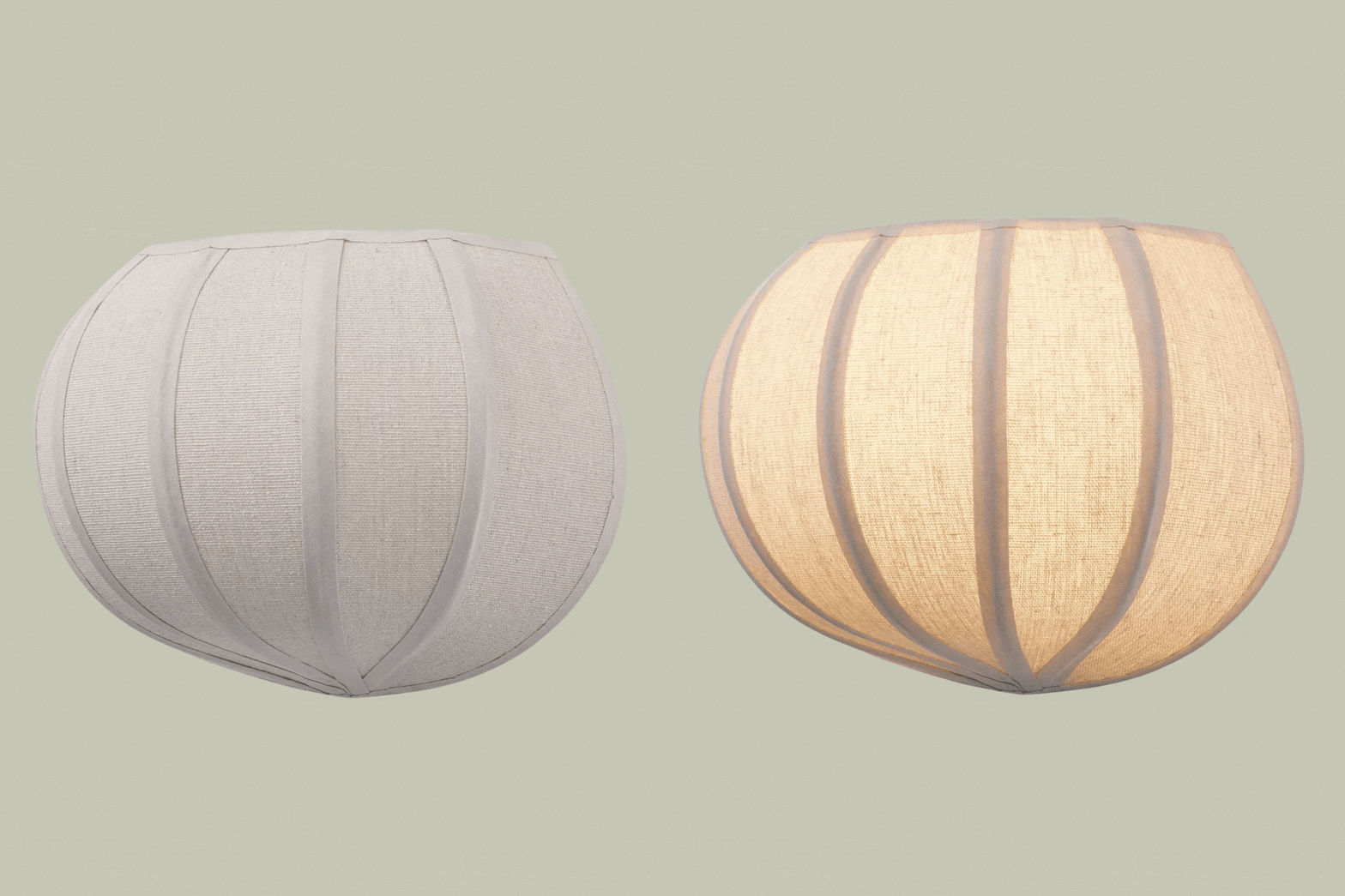
"The key here is diffusing your overhead lights with larger non-clear bulbs and mastering the use of wall lights and lamps as your main source of ambient light," says Emily. Overhead lighting alternatives, like a collection of lamps and sconces, will help move the light around the room at night, creating depth on the wall and a more dynamic paint palette.


What's the Fix?

Having lighting on a bookcase or built into the furniture makes the scheme feel less direct and harsh.
The best tip is to test your paint swatches in every scenario before you put a paintbrush to the wall, to avoid any painting mistakes. "If you're decorating a space meant for evening entertaining, view those swatches primarily under your ambient light sources — table lamps, wall sconces, your rechargeable lamps dotted down the dinner table — to mimic how you’ll actually experience the room," says Jo.
This will give you a feel for how your artificial lights interact with the color as the sun goes down. You can then decide if the problem is stemming from a case of bad bulb color, a better shade over the lamp, or that the paint color needs to be changed.
If you've already painted and the color feels off at night, try tweaking your bulbs. "A 4000K bulb (like this Paul Russell's E27 Edison Screw LED light from Amazon) sits much closer to natural daylight while still offering a subtle warmth," says Jo. "You might keep your lamps low and cozy for mood lighting, while using a slightly cooler, brighter bulb overhead to preserve the true depth and vibrancy of your wall color." Again, layering in this case provides a more dynamic end result.


Harsh overhead lighting, especially with cool bulbs, is always going to affect the way your paint color looks at night. And with entertaining season upon us, the way your lights and walls interact in the evening is important. There are certain lighting mistakes hosts never want to make.
For more inspiration like this, be sure to subscribe to the Livingetc newsletter.
